
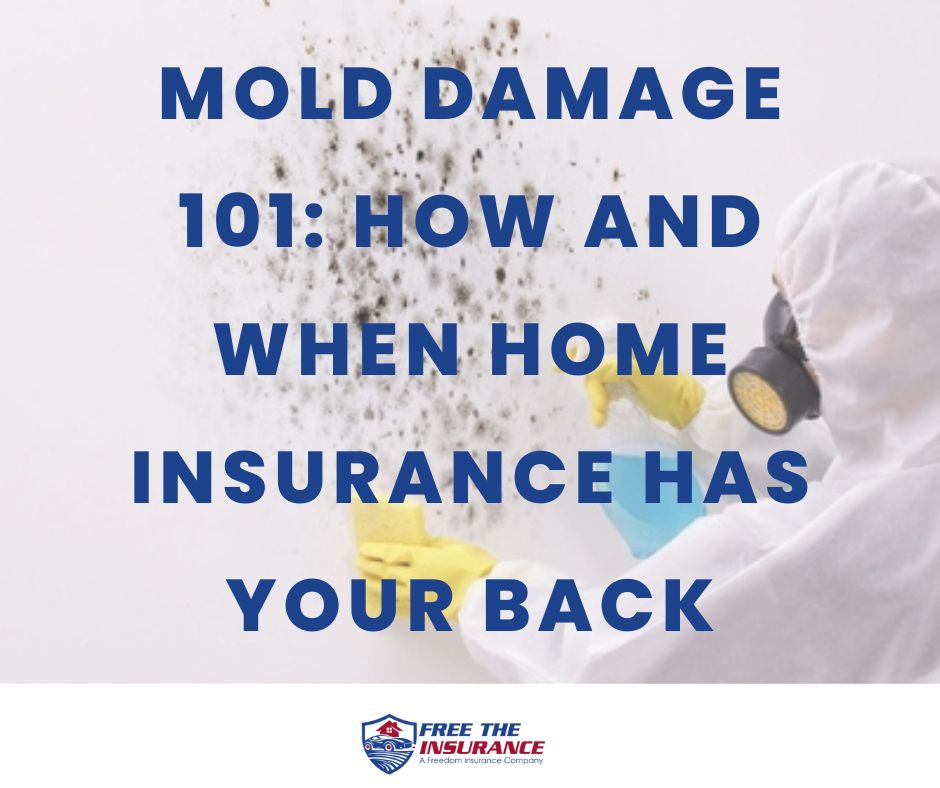
Does Homeowners Insurance Cover Mold? (Sometimes)
Finding mold in your home can feel like a nightmare. It’s ugly, it smells bad, and it raises serious health concerns. But here’s the real kicker: home insurance may not cover mold damage or removal. In this guide, we’ll break down how and when mold claims are covered, when they’re not, how to prevent issues, and what to do next.
Does Homeowners Insurance Ever Cover Mold?
Let’s start with the big question: Will my homeowners insurance pay for mold removal?
The answer: It depends.
Most standard home insurance policies will cover mold, but only if it’s caused by a covered peril. That means mold isn’t covered on its own, but it might be covered if it’s the result of something your policy already protects you from.
When Mold Damage Might Be Covered
Here are a few examples of mold damage that could be covered:
- A pipe suddenly bursts and soaks your drywall. Mold develops before you discover the leak.
- Your water heater malfunctions and floods part of your home. Mold starts to grow a few days later.
- Firefighters use water to put out a fire, leading to mold in affected areas.
In each of these cases, the root cause (burst pipe, appliance failure, fire) is typically covered by standard home coverage. If the mold is a direct result of that incident, your insurance may step in.
When Mold Is Usually Not Covered
Insurance companies draw the line at preventable or long-term issues. You’ll likely be on your own if:
- You’ve had a slow leak under your sink for months.
- Mold develops from poor ventilation in your bathroom.
- Your basement floods repeatedly, and no steps were taken to prevent it.
In short, if mold could have been avoided with regular maintenance or timely action, it usually won’t be covered.
Keep this in mind as maintaining your home can help prevent issues in the first place.
What to Do If You Find Mold in Your Home
Don’t panic—but don’t wait, either. Mold moves fast, and the longer you wait, the harder and more expensive it gets to fix. Additionally, delays can hurt your chances of getting coverage.
Here’s how to handle it:
- Stop the source. If there’s a leak or moisture issue, fix it right away.
- Document everything. Snap photos and write down what happened and when.
- Call your insurance agent. Describe the issue and ask if your policy might cover it.
- Book a mold inspection. Some insurers need this to assess the extent of the damage.
- Get repair estimates. Your insurer may also send an adjuster to take a look.
Even if it’s not covered, catching mold early can save you a major headache and a lot of money.
How to Prevent Mold and Avoid a Claim Denial
The best way to deal with mold? Keep it from happening in the first place. Here’s how to stay ahead of it:
- Use a dehumidifier in damp areas like basements or bathrooms.
- Run ventilation fans after showers and while cooking.
- Check under sinks and around appliances regularly for leaks.
- Seal windows and roofing to keep moisture out.
- Clean up spills or water damage within 24 to 48 hours.
Many insurance companies expect you to take reasonable steps to prevent mold, and may deny your claim if you haven’t.
Can You Add Mold Coverage to Your Policy?
If you’re worried about mold damage, you can personalize your coverage to protect against it. This is most commonly done through an insurance endorsement or rider.
You may also be able to add this protection through an HO5 policy. A quick conversation with your insurance agent could help you avoid future headaches and financial setbacks.

How Is Mold Coverage Different From Home Maintenance?
Here’s where many people get tripped up:
- Insurance covers sudden and accidental damage (like a burst pipe).
- Home maintenance is your responsibility (like fixing a slow leak or running a fan).
Mold often blurs the line between the two. However, your insurer will look at what caused the damage and whether it could have been prevented.
Find Help With Homeowners Insurance and Mold
Mold can be tricky, and insurance policies aren’t always clear. If you’re unsure about your coverage or you want to explore adding mold protection, we can help.
We’ve walked countless homeowners through policy questions, claims, and coverage reviews. Our team is happy to do the same for you.
Still have questions? Let’s talk. No pressure. Just honest answers. Give us a call at the number at the top of the page to speak to a licensed expert.
Sources:
EPA. Accessed August 2025.
