
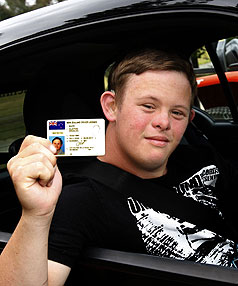
Driving with Mental Disabilities in Texas: Current Barriers and Future Possibilities
Driving represents freedom and autonomy for many Texans, enabling access to jobs, education, and social activities across the state’s vast landscapes. However, for individuals with mental disabilities—ranging from intellectual disabilities and autism spectrum disorders to ADHD, bipolar disorder, schizophrenia, and other psychiatric conditions—the ability to obtain or maintain a driver’s license can be significantly restricted. Texas law does not impose a outright ban on driving for those with mental health issues, but safety concerns often lead to denials or revocations through a rigorous evaluation process. This article delves into the reasons why many people with mental disabilities in Texas cannot drive, rooted in medical, legal, and practical considerations, while exploring emerging technologies that could pave the way for greater mobility in the future. By examining state-specific regulations and forward-looking innovations, we highlight the balance between public safety and individual rights.
The Spectrum of Mental Disabilities and Their Impact on Driving
Mental disabilities encompass a wide array of conditions that affect cognition, emotion, behavior, and perception. These can impair the multifaceted skills required for safe driving, such as sustained attention, quick decision-making, spatial awareness, and emotional regulation under stress. For instance, someone with severe intellectual disabilities might struggle with processing road signs or anticipating hazards, while an individual with untreated schizophrenia could experience hallucinations that distort reality on the road. ADHD often involves impulsivity and distractibility, increasing the risk of accidents, and conditions like anxiety disorders might trigger panic in high-traffic situations.Research underscores these risks: Studies show that drivers with certain psychiatric conditions have higher crash rates due to impaired executive functions. In Texas, where roadways include bustling urban interstates in cities like Houston and Dallas, as well as rural highways prone to wildlife crossings and weather extremes, these impairments can be particularly hazardous. The National Highway Traffic Safety Administration (NHTSA) emphasizes that any condition compromising alertness or judgment poses a threat, and mental health issues are no exception. Consequently, individuals with uncontrolled or severe symptoms often find themselves ineligible to drive, not due to discrimination, but to mitigate risks to themselves and others.
Texas Laws Governing Driving Eligibility
Texas administers driver’s licenses through the Department of Public Safety (DPS), which prioritizes road safety in its evaluations. Unlike some states with automatic disqualifications for specific diagnoses, Texas employs a case-by-case approach via the Medical Advisory Board (MAB), a panel of physicians that advises DPS on medical fitness to drive. Under Texas Administrative Code §15.58, applicants or license holders with a physical or mental condition whose extent cannot be readily determined by DPS staff are referred to the MAB for review. This process is triggered by self-reported conditions on license applications, medical exams, or reports from physicians, law enforcement, or concerned citizens. On the driver’s license application, Texas once included a direct question about mental illness, but this was deemed controversial and potentially stigmatizing. Current law, per the Texas Transportation Code, prohibits specific inquiries about mental health beyond a general question on conditions that might impair safe driving. However, if a condition is disclosed or suspected—such as during a vision or knowledge test—DPS may require a medical evaluation. For mental disabilities, this often involves submitting Form DL-101, a physician’s statement verifying the condition’s impact.
The MAB assesses factors like medication side effects, symptom stability, and history of episodes that could affect driving, such as manic phases in bipolar disorder or dissociative states in PTSD. If the board deems the individual unfit, the license is denied, restricted (e.g., daytime-only driving), or revoked. Common reasons for denial include excessive sleepiness from psychiatric medications, cognitive deficits from intellectual disabilities, or uncontrolled psychosis. Texas also mandates reporting of unsafe drivers; physicians aren’t required to report but can do so confidentially if they believe a patient poses a risk. For seniors or those with progressive conditions, renewals may involve additional scrutiny. In 2023, NHTSA guidelines influenced Texas practices, emphasizing comprehensive reviews for conditions like dementia, which overlaps with mental disabilities. This system aims to allow safe drivers to continue while protecting roadways, but critics argue it can be overly cautious, leading to unnecessary barriers for those with managed conditions.
Practical and Safety Barriers in Texas
Beyond legal hurdles, practical challenges exacerbate why many with mental disabilities cannot drive in Texas. The state’s sprawling geography means public transportation is limited outside major cities, making driving essential yet unattainable for some. Training programs for disabled drivers exist, like those offered by occupational therapists, but they focus more on physical adaptations than mental ones. For mental conditions, the emphasis is on stability: Individuals must demonstrate control through therapy or medication, but lapses—such as missing doses—can lead to revocation. Insurance plays a role too; disclosing a mental disability might raise premiums or lead to denials if perceived as high-risk. Moreover, interactions with law enforcement can be daunting. Texas’s “Driving with Disability” program allows for a “Communication Impediment” indicator on licenses for conditions like autism, aiding officers during stops. This voluntary program, requiring a physician’s form, has helped reduce misunderstandings but doesn’t address core driving impairments. Autism Speaks notes that autistic drivers face heightened anxiety in traffic stops, potentially escalating situations. Accident statistics reinforce restrictions: Drivers with mental health conditions are overrepresented in crashes due to factors like medication-induced drowsiness or impaired judgment. In Texas, where distracted driving laws are strict, conditions mimicking distraction (e.g., ADHD) amplify risks. Ultimately, these barriers stem from a commitment to safety, as outlined in the MAB’s guide, which prioritizes reducing accidents by ensuring all drivers meet baseline competencies.
Current Accommodations and Partial Solutions
While many cannot drive, Texas offers some accommodations. For milder cases, restricted licenses allow limited operation, such as no highway driving. Programs like Aspergers101 provide resources for autistic drivers, including tips for obtaining the communication indicator. Adaptive training through clinics like Strowmatt Rehabilitation Services helps build skills, though primarily for physical challenges. Public IDs are available for non-drivers, ensuring access to services without a license. Yet, these fall short for severe cases, where alternatives like rideshares or family transport become necessities, often limiting independence.
Looking Ahead: Technologies Enabling Future Driving
The future holds promise for Texans with mental disabilities through advancements in assistive and autonomous technologies. Autonomous vehicles (AVs) stand out as a game-changer, potentially granting mobility to those currently barred from driving. Self-driving cars could eliminate the need for human control, bypassing cognitive impairments by handling navigation, decision-making, and reactions autonomously. A Ruderman Foundation study estimates AVs could open two million jobs for disabled individuals by enhancing access to employment. In Texas, where companies like Waymo and Cruise are testing AVs, rural residents with disabilities could benefit most, as public transit is sparse. Research from Texas A&M suggests AVs could revolutionize community access for the disabled, reducing social isolation. For mental disabilities specifically, AVs address psychological barriers; shared rides could lower costs for low-income individuals with conditions like anxiety disorders. Other innovations include advanced driver-assistance systems (ADAS) like adaptive cruise control and lane-keeping, which could support those with milder impairments. Wearable tech monitoring alertness—alerting to fatigue from medications—might integrate with vehicles to prevent unsafe operation. Designing AVs for accessibility, such as voice interfaces for those with cognitive challenges, is crucial. A MDPI study highlights AVs’ potential to reduce transport exclusion for people living with disabilities (PLWD), increasing autonomy and flexibility. Challenges remain: AVs must overcome ableist biases in algorithms, ensuring they detect and respond to diverse behaviors, like those from autistic individuals. Regulatory hurdles in Texas, including DPS approval for AV deployment, will shape adoption. By 2030, experts predict widespread AV use, potentially transforming lives. facebook.com Subjective well-being studies indicate AVs could enhance life quality by fostering independence. In conclusion, while mental disabilities often preclude driving in Texas due to safety evaluations by the DPS and MAB, this protects roadways but limits personal freedom. Future technologies like AVs offer hope, promising equitable mobility. As Texas evolves its policies, integrating these innovations could ensure that all residents, regardless of mental health, navigate the Lone Star State’s roads safely and independently.
Resources used in this article:
https://gov.texas.gov/organization/disabilities/texas-driving-with-disability
https://gov.texas.gov/uploads/files/organization/disabilities/Driving-with-Autism-Presentation.pdf
https://www.youtube.com/watch?v=AOfo_xZDQxc
https://www.saisd.org/departments/special-programs/texas-driving-with-disability-program
