
How to Protect Yourself With Auto Repair Insurance
When you buy car insurance, you expect it to cover you if something goes wrong. But not everything that can affect you involves an accident, such as expensive, major mechanical failures. That’s where auto repair insurance, also called mechanical breakdown insurance (MBI), comes in. It helps protect your wallet when expensive parts of your car fail. This guide breaks down everything you need to know when finding the best auto repair insurance for less.
What Does Auto Repair Insurance Cover?
Auto repair insurance steps in when your car’s critical systems fail. Instead of paying thousands out of pocket, your insurance helps cover repairs. Typical coverage includes:
- Engine
- Transmission
- Fuel system
- Electrical components
- Steering system
- Cooling system
These are the kinds of repairs that can make or break your budget, especially once a manufacturer’s warranty runs out.
Free-Dom Tip: Auto insurance is always important, and many carriers offer MBI coverage. Customize your protection and protect against the unexpected with a personalized auto quote in just a few clicks.
What Isn’t Covered by Mechanical Breakdown Insurance?
Protect yourself by using licensed repair shops, requesting clear invoices, and confirming repairs with your insurer.
Never exaggerate claims, as fraud can cost you coverage and bring penalties. Stay proactive, ask questions, and ensure your money goes toward safe, necessary repairs.
Common Misconceptions About MBI
Here are a few myths drivers may have about auto repair coverage:
- “It covers accidents.”: False. That’s collision insurance.
- “It replaces my warranty.”: No, it supplements your warranty after it expires.
- “It covers everything.”: No again, only major mechanical breakdowns.
Auto Repair Insurance vs. Extended Warranties
Many drivers confuse auto repair insurance with extended warranties, but there are key differences you should be aware of. Here’s how auto repair shop insurance and warranties are similar and can differ:
Provider Differences
Getting auto repair insurance through a carrier usually means lower costs, broader coverage, and the ability to choose your repair shop.
Dealer warranties, however, often come with higher markups, limited flexibility, and strict terms that can make canceling or using the coverage more difficult.
Cost Structure
Auto body repair shop insurance is usually paid as part of your monthly insurance premium, making it easier to budget and often more affordable.
Extended warranties, on the other hand, typically require a large upfront payment or are rolled into your loan, which can increase overall costs with added interest.
Coverage and Flexibility
While auto repair garage insurance generally offers broader protection and more flexibility compared to extended warranties, it often covers a wider range of major mechanical and electrical components, which lets you take your car to any licensed shop.
This makes it easier to get repairs done on your terms without being tied to a single location.
Extended warranties, however, can be much more restrictive. Coverage may only apply to certain parts or systems, and you’re often limited to using specific dealerships or approved repair networks.
These restrictions can leave you with fewer options and sometimes higher costs.
In short, auto repair insurance gives you more freedom and control, while extended warranties typically come with tighter limitations.
Insurers vs. Dealerships
Extended warranties sold at dealerships are notorious for high markups. Since they’re sold as add-ons during the car-buying process, the cost often gets rolled into your financing, meaning you pay interest on top of the warranty price.
Dealer coverage is usually limited, focusing on certain parts while leaving out others.
On top of that, dealerships often enforce strict cancellation policies, making it harder to get a refund if you change your mind or no longer need the protection.
By contrast, insurers that offer auto repair insurance coverage tend to provide more transparent pricing.
Premiums are typically lower and can be paid in small increments alongside your regular auto insurance bill.
MBI coverage is often broader and allows you to choose your repair shop, rather than being restricted to the dealership’s network. Canceling is also generally easier, with many insurers offering prorated refunds if you drop coverage early.
In short, dealership warranties may feel convenient at purchase time, but auto mechanical breakdown insurance from a carrier usually offers more flexibility, transparency, and long-term value.
How Much Is Auto Repair Shop Insurance
Adding MBI through your auto insurer is often the most affordable route. Here’s a quick comparison:
- Insurance Companies: $20 to $40 per year, and the cost is added to your premium.
- Dealerships: $400 to $600 as a one-time fee, rolled into your loan (plus interest).
For most drivers, going through your insurer offers the same protection for a fraction of the cost.
Who Benefits Most from MBI?
Auto repair insurance isn’t for everyone, but several drivers can really benefit from the coverage. Here’s how to know if it makes the most sense for you:
- You own a car with an expired or limited warranty.
- You have a little savings set aside for emergency repairs.
- You bought a car model known for expensive repair issues.
- You took out a long-term loan (60 to 84 months).
If you’re still under warranty or have a strong emergency fund, MBI may not be necessary. It’s always a good idea to double-check with a licensed insurance agent to determine which coverage best fits your needs.
Why Timing and Depreciation Matter
Cars lose value fast. On average:
- 16% depreciation in the first year.
- 55% depreciation by year five.
This drop in value makes unexpected repairs even more painful. Auto repair coverage provides peace of mind during those early years when warranties expire but repair costs remain high.
It may not be a coverage you keep forever, but especially for newer vehicles, the insurance is a lifesaver during times of need.
Building an Emergency Fund vs. Auto Repair Insurance
Some drivers prefer to set aside cash for repairs instead of paying premiums. There’s nothing wrong with that. While both approaches work, there are trade-offs to consider. These include:
- Emergency Fund: Great if you’re disciplined, but large repairs can drain your savings.
- Auto Repair Insurance: A small, predictable cost that protects you from big, surprise bills.
In an ideal world, using each method is applied, as many drivers can benefit from a mix of both.
How to File an Auto Repair Insurance Claim
The claim process is straightforward, but it can vary by provider. Generally, it looks like this:
- Confirm coverage with your insurer.
- Take your car to a licensed repair shop.
- File a claim with your insurance company.
- Pay your deductible.
- Repairs are completed, and either the insurer pays the shop directly or reimburses you.
Like many aspects of insurance, working with an agent to understand the nuances of your particular situation and coverage is always the recommended route for drivers to take.
What Is Auto Repair Insurance Fraud?
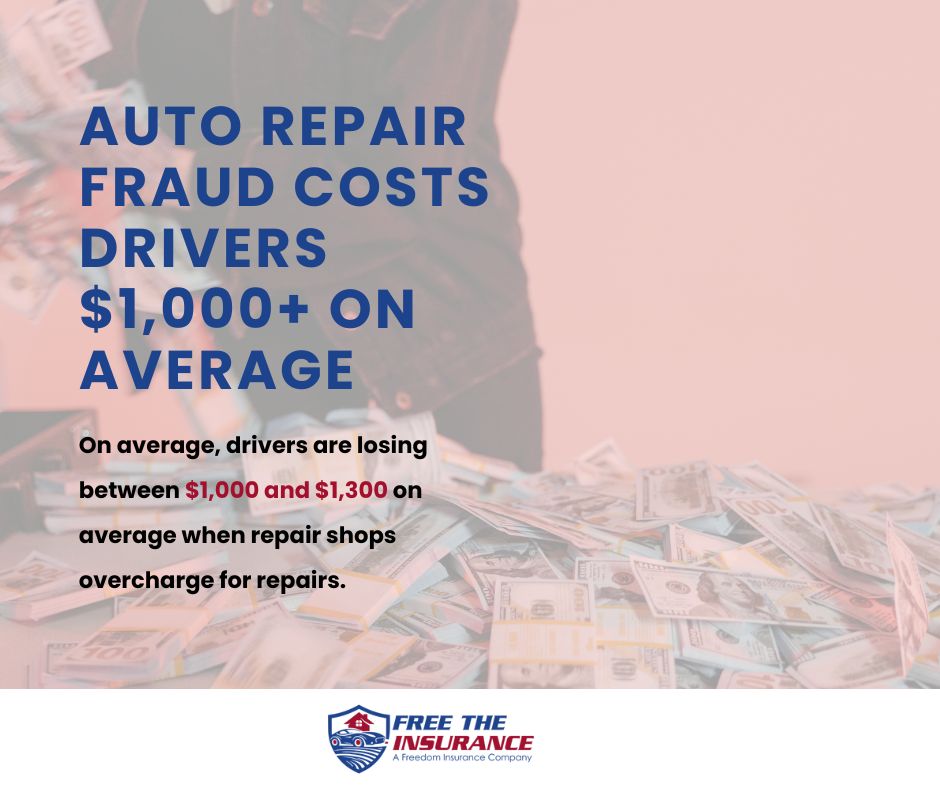
Auto repair insurance fraud happens when repair shops or individuals misuse the claims process to overcharge insurers—or leave drivers with bills and problems they didn’t expect.
This can include inflating repair costs, billing for parts that were never replaced, or even recommending unnecessary services just to collect a payout.
While insurance companies are the main target, drivers often pay the price through higher premiums, denied claims, or unsafe repairs.
For drivers, the risks are twofold: paying out of pocket for repairs that don’t match what was promised and losing coverage if the insurer suspects fraudulent activity.
Even unintentional mistakes, like signing off on work you didn’t fully understand, can create long-term financial headaches. However, there are also red flags to watch out for when choosing a repair shop.
Be cautious if a mechanic pressures you into repairs that don’t match the symptoms, refuses to provide a written estimate, or claims “the insurance will cover it anyway” without explanation.
Furthermore, hidden fees, vague invoices, and resistance to letting you keep replaced parts are all signs of trouble.
Protect yourself by using licensed repair shops, requesting clear invoices, and confirming repairs with your insurer.
Remember, never exaggerate claims, as fraud can cost you coverage and bring penalties. Stay proactive, ask questions, and ensure your money goes toward safe, necessary repairs for your vehicle.
Find Help Navigating Auto Repair Insurance
The future of MBI is shifting with the industry. Electric vehicles bring pricier, specialized repairs, while insurers are moving toward faster digital claims and bundled coverage options.
For drivers, that means more convenience and protection, but complex cost factors to navigate.
The key is comparing providers and picking coverage that matches your budget and repair risks.
If you need help finding the right coverage, our agents are ready to help. Give us a call using the number at the top of the screen to find affordable auto repair insurance that keeps you protected at the lowest rate possible.
Sources:
NICB. Accessed September 2025.
ConsumerAffairs. Accessed September 2025.
