
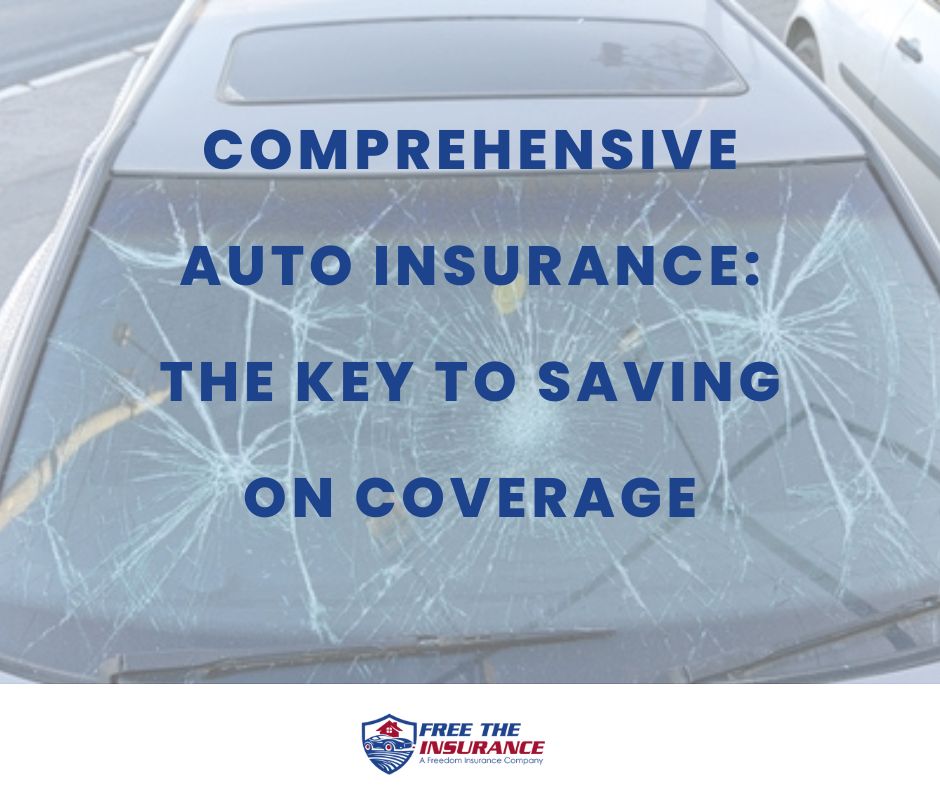
How to Save With Comprehensive Auto Insurance
When shopping for car insurance, you’re sure to run into a wide range of options. Not only are there different brands, but each coverage is built to protect you from a unique set of potential perils. Comprehensive auto insurance is an important coverage, but its role is for certain types of damage that occur outside of accidents. Our guide breaks down how it protects and how to enroll for less.
Let’s Clear This Up: Comprehensive Doesn’t Mean “Everything”
The word “comprehensive” makes it sound like this policy covers anything that could happen to your car. That’s not exactly true. What it really covers is damage that isn’t caused by a crash.
There are several risks that your vehicle might face beyond getting in an accident, including things like theft, fire, vandalism, falling trees, or a deer darting into the road.
So if your car gets stolen, is hit by hail, or is damaged during a break-in, that’s where comprehensive coverage steps in.
However, if you rear-end someone or back into a pole, that’s collision coverage, not comprehensive, which is its own distinct type of auto insurance.
Quick Recap: Here’s What Comprehensive Covers
- Natural disasters (hail, floods, wildfires)
- Falling objects (tree branches, debris)
- Animal collisions (like hitting a deer)
- Vandalism and break-ins
- Theft and attempted theft
- Fire and explosions
It won’t cover wear and tear, mechanical issues, or collision damage—that’s why pairing it with other coverage is key.
Why Auto Comprehensive Insurance Is Worth Considering (Even If You’re a Safe Driver)
You might be thinking that if you’re a good driver, what’s the point of getting extra insurance?
Well, while this may be a fair question, remember, many of the risks covered by comprehensive auto insurance aren’t in your control.
A windstorm doesn’t care where you parked. A thief doesn’t care how careful you drive. That raccoon nesting under your hood? Not on your radar until it’s too late.
Auto comprehensive insurance provides you with peace of mind for the unexpected—especially if your car is newer, financed, or parked outside.
Think of It Like This…
Comprehensive is for the “what ifs”:
- What if someone keys your door?
- What if a tree limb falls during a thunderstorm?
- What if your car disappears from your driveway?
These aren’t accidents in the traditional sense, but they can still cost you thousands without the right coverage.
Comprehensive Auto Insurance: How Much Does It Cost and Is It Worth It?
Comprehensive coverage is usually one of the cheaper parts of your policy, often costing between $100 and $300 a year.
However, you can lower your premium by choosing a higher deductible; just be sure it’s affordable if you file a claim.
Shopping around also helps you find the best deal for the coverage you need.
It’s Not Just About the Car’s Value
If your vehicle is worth $3,000 or less, you might consider dropping comprehensive coverage. However, making this decision based on your vehicle’s value alone may be a mistake.
Think about where you live, how your car is stored, and what risks you regularly face. If you’re in a city or weather-prone area, the extra protection may still be worth it.
Auto Insurance Comprehensive vs. Collision
| Coverage Type | What It Covers |
| Comprehensive | Non-collision events: weather, animals, theft, vandalism, fire |
| Collision | Crash-related damage: hitting another car or object |
The difference between collision and comprehensive auto insurance is clear; however, most drivers carry both, especially if they’re financing a vehicle or want full protection.
Dropping one or both is something to revisit as your car ages or your financial situation changes.
So, Should You Add Comprehensive Auto Insurance to Your Policy?
If you can’t afford to repair or replace your car out of pocket, comprehensive coverage is a smart move.
Additionally, if you live in an area with high theft rates, frequent hail, or plenty of wildlife, it can save you from major headaches.
It’s also worth noting that, besides collision, among the most common coverages found in an auto policy, comprehensive claims were the most frequent among drivers in the United States.
Furthermore, drivers leasing or financing a vehicle don’t typically have a choice. While it’s optional in most states, lenders and leasing agents typically require comprehensive coverage as a condition of their agreement.
At the end of the day, it’s about protection. Not just for your vehicle, but for your finances and peace of mind. When bundled with other coverage, comprehensive auto insurance often costs less than you’d expect.

Sources:
III. Accessed August 2025.
