
What Does Homeowners Insurance Cover and Not Cover? Explained
Home insurance protects your house and the life you’ve built inside it. But here’s the truth—it doesn’t cover everything. Too many homeowners find out too late that certain disasters or everyday issues are excluded. Understanding where your protection starts—and stops—helps you avoid expensive surprises.
Let’s break down what homeowners insurance covers and what it doesn’t with real-world examples from across the country.
What Home Insurance Typically Covers
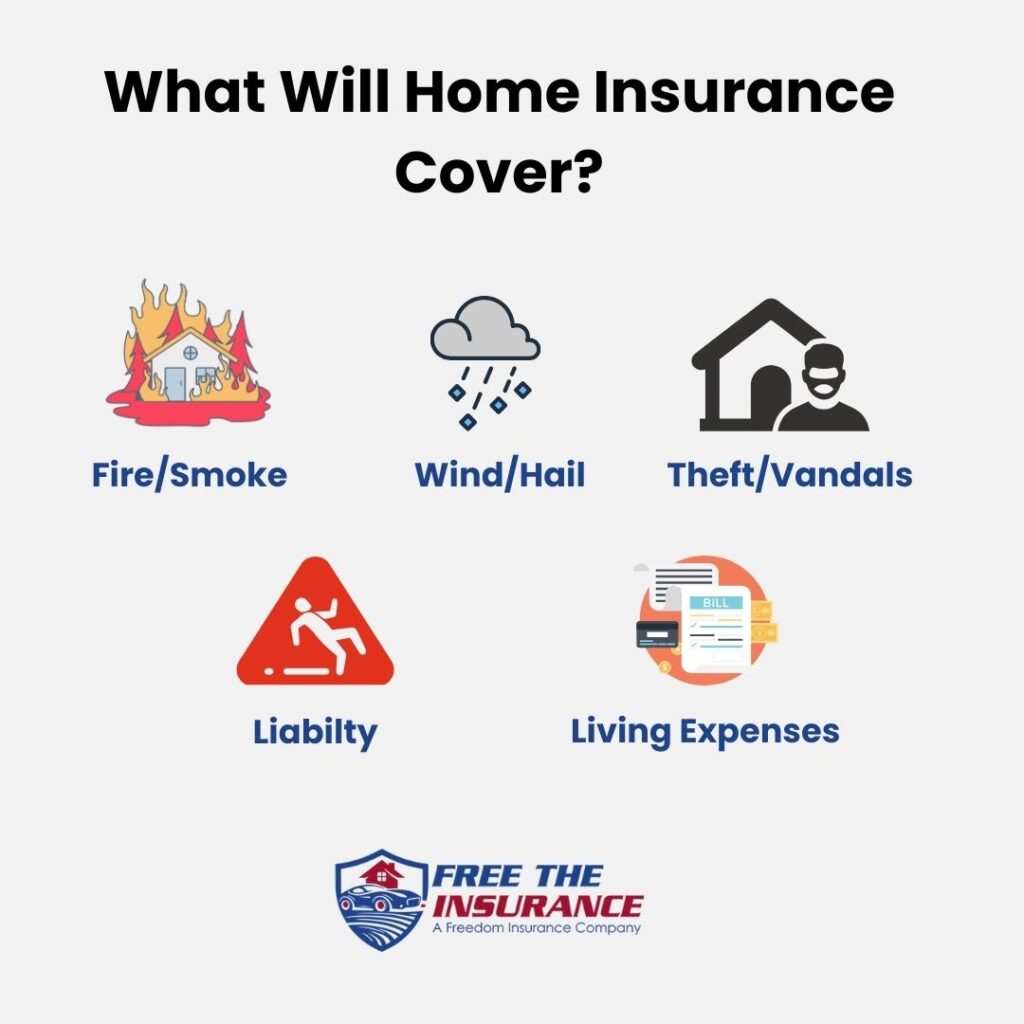
You get a lot of protection with a home insurance policy, and under normal circumstances, standard HO-3 coverage is going to safeguard you from a number of common perils. Here’s how most policies break down:
Damage from Fire and Smoke
Whether it’s a kitchen fire in Dallas that spreads from a stovetop or smoke damage from a neighbor’s garage experiment gone wrong in Nashville, your policy generally helps repair the damage and restore your home.
Even wildfires in the Hill Country of Texas are covered by your policy, under most circumstances.
Wind and Hail
Policies often cover storm damage, like shingles blown off during a spring storm in Oklahoma or hail breaking skylights in Denver. Wind-driven rain that damages your siding usually falls under this protection, too.
Theft and Vandalism
From a break-in at a St. Louis townhouse to a vandalized fence in a quiet Houston suburb, most home policies help replace stolen property and cover repair costs.
It’s important to note that this only applies to damage caused by parties outside of your home.
Liability Protection
Keeping your home protected is the main focus of your policy, but it’s not the only benefit you’ll enjoy. Liability protection continues to be an increasingly important component.
If a delivery driver slips on an icy front porch in Kansas City, dropping off your latest Prime delivery, or a guest trips near your swimming pool in Tomball, liability coverage helps with medical bills and legal costs.
Additional Living Expenses
Imagine a burst pipe in Memphis that makes your home unlivable. You don’t have to face the nightmare alone. While you’re displaced from your home, your policy can cover hotel stays and meals until repairs are finished.
Read Next: Learn more about your home insurance policy’s individual coverages by clicking the link.
What Home Insurance Does Not Cover
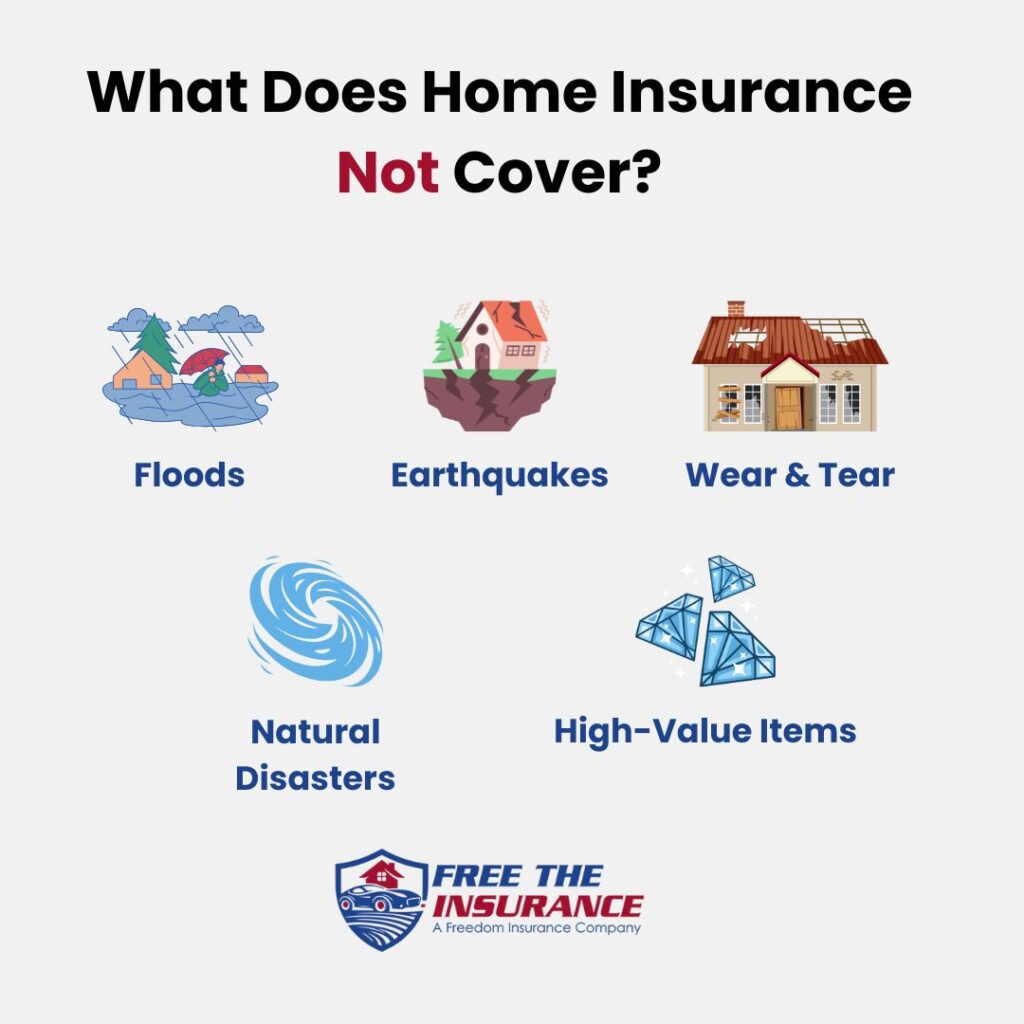
Most home policies won’t cover everything. Several exclusions may apply, and just like it’s critical to know how you’re protected, it’s also important to understand the gaps in your coverage as well. Here are some common gaps to be aware of:
Flooding
Rising water from overflowing bayous and rivers, storm surges near the Gulf Coast, heavy rain pushing creeks…all of these are flood risks, and your home insurance isn’t going to cover you. You’ll need a separate flood insurance policy.
Earthquakes and Ground Movement
If shifting ground near the New Madrid fault line in Missouri damages your foundation, it won’t be covered without earthquake insurance. Even sinkholes in parts of Texas often require special policies.
The bottom line? You’ll need more than just a standard home policy should disaster strike.
A Lack of Upkeep
Wear and tear come for us all, which is why it’s so important to keep up with our homes. Old roofing, aging pipes, and similar issues can cause thousands of dollars in damage, but that doesn’t mean they’re covered by your home insurance.
Regular upkeep is your responsibility, as maintenance is something all homeowners are expected to do. In fact, if your home falls into disrepair, expect to pay higher premiums, or worse, you may have your claim denied or get dropped by your carrier.
Certain Natural Disasters
Remember how we mentioned natural disasters, such as wildfires, can be covered by your home policy? Well, exceptions may still apply.
For example, if you live in an area so prone to wildfires that carriers won’t include the peril in a standard policy, you’re going to need to get special natural disaster insurance.
One really common problem homeowners on the Gulf Coast of Texas face is the need for hurricane wind coverage, which is often an add-on.
Always double-check where you live, who you enroll with, and what your specific home insurance policy includes and excludes.
High-Value Items Without Riders
Standard policies will cover your belongings, but you can also expect payout limits for items of a particular value.
For example, if you own antique firearms or heirloom jewelry, you’ll likely need a rider for full protection.
The same goes for collections that may be multiple items, but can exceed your standard home insurance policy limits.
Simply put, high-value items require more coverage, and customizing your policy is an affordable way to stay protected.
Why Knowing Coverage Gaps Matters
Every state has its own risks, but all homeowners share the same challenge: insurance doesn’t cover everything. Floods, earthquakes, and everyday wear-and-tear can leave big gaps if you’re unprepared.
Being informed gives you control. When you know what home insurance does not cover, you can budget for out-of-pocket costs, add riders to protect valuables, or purchase separate policies for risks in your area.
Instead of being blindsided by a denied claim, you’ll know exactly what to expect and how to safeguard your home. The benefit of knowing coverage gaps is peace of mind.
You’ll have confidence that you’re not leaving your family or property vulnerable, and with that knowledge, you can take proactive steps.
This includes getting flood insurance in high-risk Texas suburbs, adding earthquake insurance in Missouri, or raising limits for inherited antiques in Tennessee.
The more you understand your coverage, the better prepared you’ll be to protect your home, finances, and future.
Understand What Your Home Insurance Covers and Won’t Cover, Clearly
As you can see, home insurance covers a lot, but there are still some major risks that aren’t included unless you do something about them.
Knowing the areas you may not be as protected can empower you to enroll in the right coverages beyond a standard policy, but nothing beats working with a team of experts.
Here at Free The Insurance, we work to provide homeowners with the best available options in their area, help them compare personalized coverage, and enroll them in the policy offering the most protection at the lowest price.
By comparing top-rated carriers, our clients can protect themselves and enjoy peace of mind, knowing that they’re minimizing risks, avoiding unwanted surprises, and saving in the process.
Your policy may not cover everything, but it should protect you from relevant perils your family faces each day. Get a free home insurance quote and start protecting your household for less.
Sources:
III. Accessed September 2025.
